How to Balance Maths Tutoring with School Activities
Balancing Tutoring with School Activities: Your Guide to Student Success
 Lee Mathematics Tuition
- Mar 14
- 6 min read

Finding Balance: When 24 Hours Don't Seem Enough
"Mum, I can't miss footy, but I also have that maths test on Friday!"
For parents everywhere, this scenario plays out weekly. Your daughter needs to prepare for her piano recital, your son has football training three afternoons a week, both have assignments due, and somehow they're supposed to master quadratic equations or calculus in between.
Then comes the suggestion of tutoring—another commitment to squeeze into calendars that are already colour-coded to the minute. As one parent put it: "I want my child to excel in maths, but I also want them to have a childhood."
This isn't just about finding another hour in the week. It's about preserving your child's enthusiasm for learning while respecting their need for diverse experiences. It's about ensuring academic support doesn't come at the cost of the sporting, creative, and social activities that are equally crucial to their development.
The good news? With thoughtful planning, mathematics tutoring can actually streamline your child's academic workload rather than adding to it. When integrated properly, quality tutoring creates structure and efficiency that can benefit all areas of student life.
Why Balance Matters: Beyond Just Academics
The reality of today's educational landscape is that student development extends far beyond classroom walls. While academic excellence is important, physical activity, creative expression, and social interaction are equally vital components of a child's growth. A balanced approach to education recognises that tomorrow's successful adults aren't just those who excelled in tests, but those who developed diverse skills and interests.
For students, particularly those preparing for HSC examinations, finding this balance becomes especially crucial. Mathematics, often perceived as time-intensive, can dominate study schedules without proper guidance. When approached strategically, mathematics tutoring can become a tool for academic efficiency rather than just another obligation in an already packed schedule.
Quality mathematics tutoring should incorporate flexibility and efficiency at its core. Effective tutoring complements school learning while respecting the importance of sports, creative pursuits, and much-needed downtime in a student's development.
What are the qualifications to consider in hiring a tutor?
Strategic Scheduling: Making Tutoring Work With Busy Calendars
Identify Priority Timeframes
The first step in successful integration of tutoring is identifying when students are most receptive to learning. For some students, this might be immediately after school when the academic mindset is still engaged. For others, early evening sessions after sports practice provide a perfect transition back to academic work. The key is recognising individual patterns:
Morning learners may benefit from weekend morning sessions
After-school sessions work well for students who need immediate reinforcement
Evening slots can serve as review periods for information retention
Structured weekly sessions create predictable routines that reduce scheduling stress
At Lee Mathematics Tuition, we work with families to identify these optimal learning windows, understanding that local schools have unique timetables and homework expectations.
Integration with School Curriculum Timing
Effective tutoring doesn't operate in isolation from school learning—it synchronises with it. A thoughtful approach includes:
Aligning tutoring sessions with current classroom topics
Scheduling intensive support before major school assessments
Reducing session frequency during school examination periods
Providing flexible scheduling options during school holidays for catch-up or advancement
This synchronised approach means students don't experience tutoring as "more work" but as targeted support that makes existing schoolwork more manageable. Parents often report that this integration actually reduces overall study time by increasing efficiency and understanding.
Digital Solutions for Modern Students
Today's students benefit from technological advancements that previous generations didn't have. Modern tutoring programs incorporate:
Online session options for days with heavy extra-curricular commitments
Digital resources that can be accessed during short study blocks
Recorded explanation videos for quick revision
Mobile-friendly practice problems for "on-the-go" learning
These digital components mean that mathematics learning can happen in smaller, more flexible timeframes—waiting for practice to start, during a train ride to dance class, or in the 20 minutes before dinner. This flexibility is particularly valuable for families juggling multiple activities across different locations.
Is online tutoring right for your child?
The Tutor's Perspective: Efficiency Over Hours
Quality vs. Quantity: The Lee Mathematics Tuition Approach
Effective mathematics learning isn't measured in hours spent but in concepts mastered. This principle is essential for busy students juggling multiple commitments. Quality tutoring recognises that targeted, high-engagement learning sessions produce better outcomes than longer, less-focused study periods.
A common misconception among parents and students is that more study hours automatically equal better results. However, experienced mathematics educators consistently observe that strategic, well-planned sessions of moderate length yield superior outcomes compared to marathon study sessions. This is particularly true in mathematics, where mental fatigue significantly impacts problem-solving abilities.
A quality tutoring methodology should incorporate:
Focused 60-90 minute sessions that maintain peak concentration
Clear learning objectives for each session to ensure progress
Targeted homework that reinforces without overwhelming
Regular assessment to identify and eliminate inefficient study habits
This efficiency-focused approach aligns with current educational practices and the NSW curriculum's emphasis on developing independent learning skills. It's particularly relevant for high-achieving students, who often balance school commitments with participation in sporting competitions, cultural activities, and community service.
Complementary Skills Development
Effective tutoring doesn't just teach mathematics—it develops complementary skills that benefit all areas of a student's life. Our tutors intentionally cultivate:
Time management techniques that transfer to other subjects
Study efficiency methods that reduce overall homework time
Self-assessment skills that promote independent learning
Stress management strategies for high-pressure academic situations
These supplementary skills create a positive ripple effect through other activities. Students report applying these organizational strategies to music practice, sports training, and even group projects at local Sydney schools. This skills transfer represents the ultimate efficiency—learning that simultaneously serves multiple purposes.
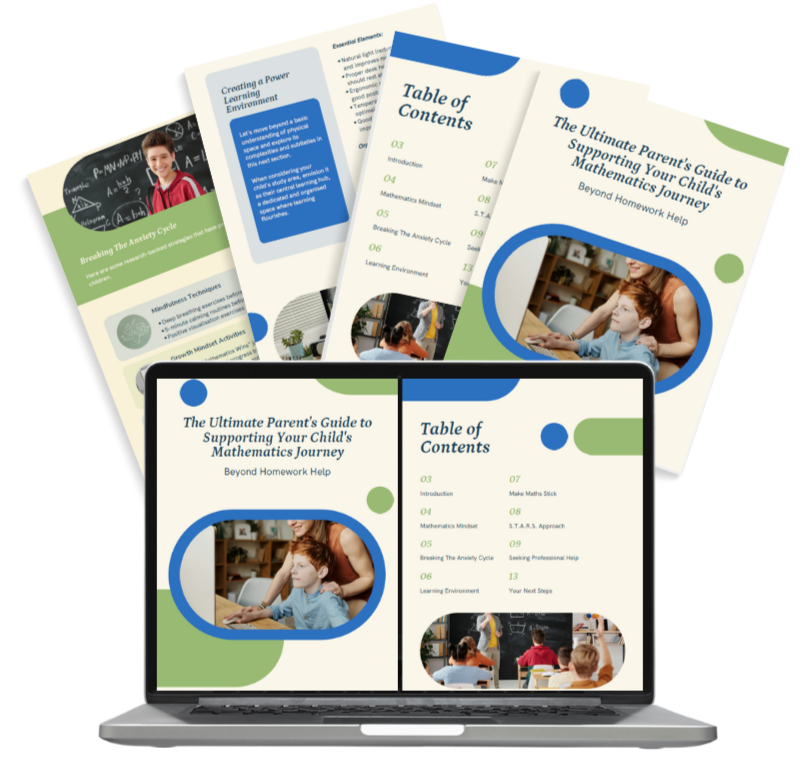
Get our FREE Maths Success Blueprint
Practical Integration Strategies for Families
Creating the Weekly Schedule Template
For families balancing multiple commitments, creating a visual weekly schedule is highly recommended. This should include:
School hours and anticipated homework time
Fixed extra-curricular commitments (sports practice, music lessons, etc.)
Mathematics tutoring sessions
Travel time between activities
Designated free time and family time
This visual mapping often reveals natural time blocks and helps identify when tutoring can most effectively fit without creating additional stress. Many families report that this exercise alone significantly reduces scheduling anxiety.
For maximum effectiveness, this schedule should:
Be created with student input to ensure buy-in
Remain flexible for unexpected events
Include buffer time between activities
Identify potential "overflow" times for busy periods
Practical Applications in Daily Life
The real test of any scheduling system is its practical application in daily life. Successful students have implemented strategies such as:
Using travel time for mental practice of mathematical concepts
Converting waiting time (before sports practice, etc.) into quick review sessions
Creating study-friendly environments in multiple locations
Using technology to maximise learning during small time windows
These practical approaches have particular relevance for families who travel between activities across multiple locations. The ability to transform "dead time" into productive learning moments creates valuable efficiency without adding pressure.
Real-World Example: Balancing Multiple Commitments
Consider the experience of a Year 10 student who balances school with competitive swimming three times weekly and music lessons every Tuesday. Initially, adding mathematics tutoring seemed impossible within her packed schedule. Through careful planning and consultation with her parents and tutor, we implemented a system that included:
60-minute tutoring sessions on Sunday afternoons (typically a lower-demand time)
Quick 15-minute daily review sessions using digital resources
Targeted homework that directly supported her classroom learning
Reduced academic workload during swim meet weeks, with compensatory support before tests
The result wasn't just improved mathematics performance—she reported feeling more organised across all subjects and actually experienced reduced overall stress. This whole-life improvement exemplifies the potential benefits of well-integrated tutoring when approached thoughtfully.
How long should maths tutoring sessions be?
When to Adjust: Recognising the Need for Change
Even the most carefully designed schedule requires occasional adjustment. Students should learn to recognise warning signs that their balance needs recalibration:
Consistent sleep reduction to accommodate activities
Declining performance in school or extra-curricular pursuits
Increased stress or anxiety about commitments
Loss of enjoyment in previously rewarding activities
When these signs appear, families should reassess and adjust. This might mean temporarily reducing tutoring frequency, shifting to online sessions, or modifying the content focus to address immediate school demands. This flexibility is essential—balance is not static but requires ongoing attention.
Qualified tutors maintain open communication with both students and parents, creating a supportive network that can respond quickly to changing circumstances. This adaptability is particularly valuable during high-demand periods in the school calendar, such as examination weeks or end-of-term assessment periods.
Conclusion: Tutoring as a Solution, Not an Addition
The goal of quality maths tutoring is to support families in balancing academic achievement with holistic child development, not to create extra stress. When thoughtfully integrated, tutoring creates structure, improves learning efficiency, and ultimately saves time across all academic areas.
The key to success lies in finding a tutoring approach that prioritises this integration. Students face unique scheduling challenges that require flexibility. Effective mathematics tutoring should offer flexible scheduling options, a targeted learning approach, and a whole-student perspective that ensures tutoring complements rather than competes with other valuable activities.
Parents should look for tutoring services that can demonstrate how they'll work within existing commitments rather than simply adding to them. Whether your child is balancing sports, creative pursuits, or community involvement alongside their studies, the right tutoring approach will help them achieve mathematical confidence without sacrificing other important aspects of their development.
Lee Mathematics Tuition in Hurstville provides mathematics support that fits seamlessly into busy student schedules.
Book a FREE ASSESSMENT todayStudent Success Stories