Building Mathematics Confidence Through Personalised Learning
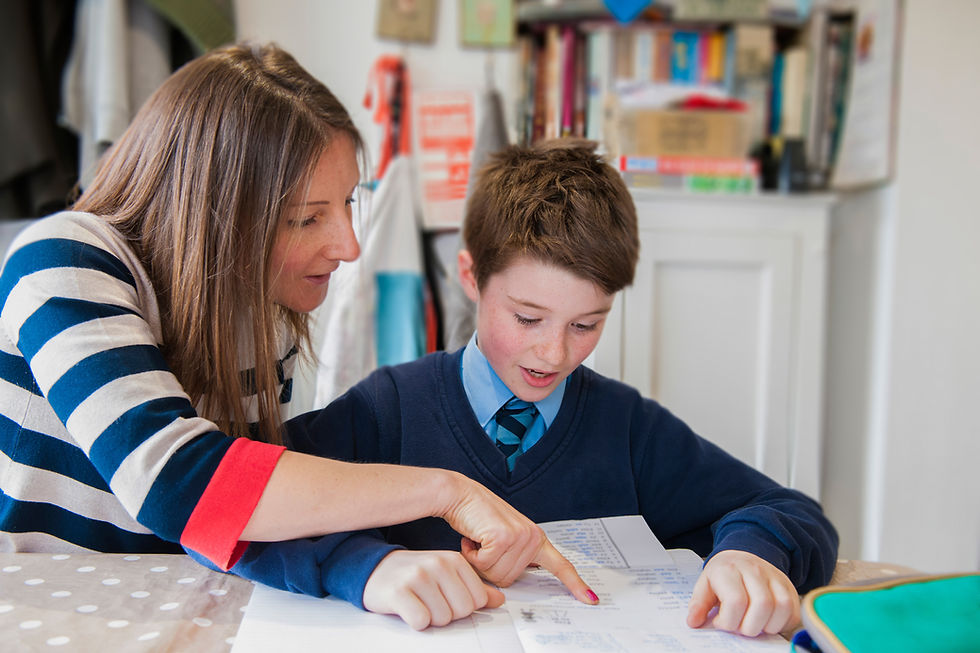
Mathematics anxiety and lack of confidence affect many Australian students, impacting not just their academic performance but their overall approach to learning. This is evident in situations where students face challenging mathematical concepts or high-pressure testing environments. Through personalised learning approaches, particularly one-on-one tutoring, students can transform this anxiety into confidence and capability.
Understanding Mathematical Confidence Building
The development of mathematical confidence involves a complex interplay between psychological, educational, and social factors. Unlike simple skill acquisition, confidence building in mathematics requires a holistic approach that addresses the emotional aspects of learning. When students receive targeted support that acknowledges both their academic and emotional needs, they show remarkable improvements in both performance and attitude toward mathematics.
Confidence in mathematics develops through several key mechanisms:
Individualised attention that addresses specific learning needs
Consistent positive reinforcement and constructive feedback
Development of critical thinking and problem-solving skills
Creation of safe learning environments that encourage risk-taking
Regular achievement of personalised learning goals
Students who receive regular individualised support show marked improvements in both confidence and academic performance, particularly in mathematics, where concepts build upon each other sequentially.
The Power of Personalised Learning Environments
The learning environment plays a pivotal role in shaping a student's mathematical confidence. Traditional classroom settings, while valuable, often cannot provide the level of personalised attention that some students need to truly flourish. Personalised learning environments create unique opportunities for confidence building by adapting to individual learning styles, paces, and preferences. These environments serve as safe spaces where students can explore, question, and develop their mathematical abilities without the pressure of peer comparison or time constraints.
Creating Safe Spaces for Learning
One-on-one learning environments significantly reduce academic anxiety by:
Allowing students to ask questions without fear of judgment
Providing immediate clarification of misconceptions
Creating opportunities for open discussion about challenges
Building trust between the learner and educator
Tailored Instruction and Adaptive Learning
Personalised learning approaches are effective because they:
Address individual learning styles and preferences
Adjust the difficulty level based on student progress
Focus on specific areas needing improvement
Maintain an appropriate level of challenge
Building Confidence Through Skill Development
Skill development in mathematics is not just about memorising formulas or solving problems; it's about building a robust foundation of understanding that students can rely on when facing new challenges. Confidence grows exponentially when students master fundamental concepts through structured, personalised learning experiences. This mastery-based approach ensures that each student has a solid grasp of basic concepts before advancing to more complex topics.
Mastery of Fundamental Concepts
One of the most significant confidence builders is the thorough mastery of foundational skills. Personalised learning environments facilitate this by:
Ensuring complete understanding before moving to new topics
Providing additional practice in areas of difficulty
Connecting new concepts to previously mastered material
Offering multiple approaches to problem-solving
Critical Thinking Development
One-on-one learning interactions particularly excel at building critical thinking skills through:
Guided problem-solving experiences
Development of analytical reasoning abilities
Practice in applying concepts to new situations
Regular engagement with challenging material
The Role of Positive Reinforcement
The psychological impact of positive reinforcement in mathematical learning is profound. The right kind of feedback and encouragement can significantly alter a student's perception of their mathematical abilities. However, this isn't about simple praise - it's about creating a structured system of recognition and support that helps students identify their progress and understand their potential for growth.
Effective Feedback Mechanisms
Regular, constructive feedback plays a crucial role in building confidence through:
Immediate recognition of achievements
Specific guidance for improvement
Celebration of progress and effort
Balance between challenge and support
Goal Setting and Achievement
Setting and achieving appropriate goals significantly impacts confidence development:
Creating realistic, achievable objectives
Breaking down complex goals into manageable steps
Tracking and celebrating progress
Adjusting goals based on performance
Developing Self-Regulated Learning Skills
The journey to mathematical confidence ultimately leads to independence in learning. Self-regulated learning skills represent the pinnacle of educational achievement, where students develop the ability to monitor, evaluate, and adjust their own learning processes. Students who develop these skills through guided support become more confident and capable learners, not just in mathematics, but across all academic areas.
Building Independence
A key benefit of personalised learning is the development of self-regulated learning skills:
Learning to monitor one's own progress
Developing effective study strategies
Building time management skills
Gaining confidence in independent problem-solving
Metacognitive Strategies
Research shows that developing metacognitive skills enhances both confidence and performance:
Understanding personal learning preferences
Recognising patterns in problem-solving
Developing error-checking strategies
Building self-assessment capabilities
Social Aspects of Learning
Although individualised attention fosters confidence, the social aspects of math education are equally important. Balanced exposure to both individual support and collaborative learning opportunities creates the most robust foundation for mathematical confidence. This dual approach helps students develop both personal competence and the ability to learn from and with others.
Peer Learning Opportunities
While individual attention is crucial, structured peer interactions is also important in:
Collaborative problem-solving sessions
Group discussions of mathematical concepts
Peer teaching opportunities
Shared learning experiences
Role Modeling
Exposure to positive academic role models contributes significantly to confidence building by:
Demonstrating effective learning strategies
Showing pathways to success
Providing inspiration and motivation
Normalising the learning process
Supporting Long-Term Confidence Development
The development of lasting mathematical confidence is not a short-term achievement but a continuous journey that requires sustained support and strategic approaches. Students who receive consistent, long-term support in their mathematical learning develop more robust and resilient confidence that can withstand future challenges.
Maintaining Progress
Sustained confidence development requires:
Regular practice opportunities
Ongoing support and encouragement
Progressive challenge increases
Consistent feedback and adjustment
Creating Lasting Impact
The most effective confidence-building approaches combine:
Strong foundational skill development
Regular positive reinforcement
Development of independent learning abilities
Creation of supportive learning environments
Moving Forward
Building mathematical confidence is a gradual process that benefits significantly from personalised support and attention. Whether through one-on-one tutoring, small group instruction, or other individualised learning approaches, the key is creating an environment that supports both academic growth and confidence development. As we continue to understand more about how students learn and develop confidence in mathematics, the role of personalised support becomes increasingly crucial in educational success.
Ready to boost your child's mathematical confidence? Contact Lee Mathematics Tuition today to arrange a consultation and discover how our personalised tutoring approach can transform your child's mathematical journey. Together, we'll build the confidence they need for lasting academic success.